Chris Cantey
Tech, security, and side quests
I’ve wanted to build a badge for the Unsupervised Learning crew at DEF CON for a couple of years now. The original thought was just that we needed a better way to find each other. We scatter as soon as we arrive, phones are not a hundred percent reliable in that building, and finding people by radio sounded like more fun than texting them anyway. What I wanted was something hanging off a lanyard, next to the con badge already there, that tells me roughly how far away the rest of the crew is without needing an app or a network. ...
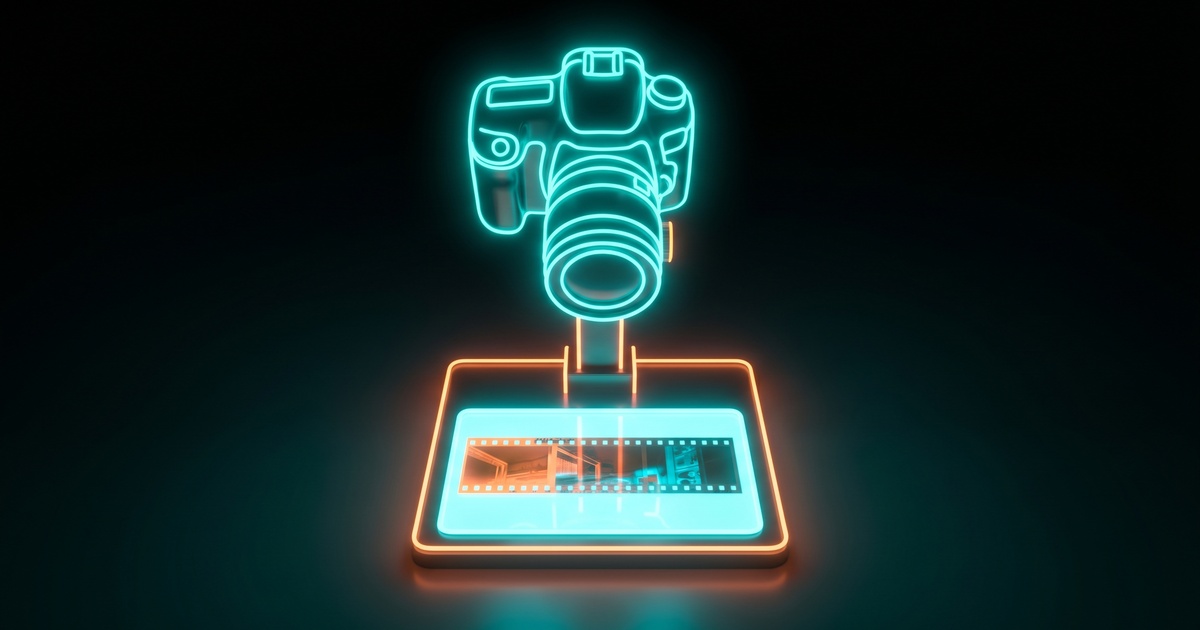
This is part of how I scan film at home. If that’s something you’re looking to get into, the app in this post is just one piece of it. The full picture is in How I Develop and Scan Film at Home. My Canon EOS 7D had been sitting on a shelf for a couple of years, one of those cameras I’d moved on from but never quite got around to selling. It came back into use when I got into developing and scanning my own film at home, because it turned out to be a great camera for the scanning part. ...
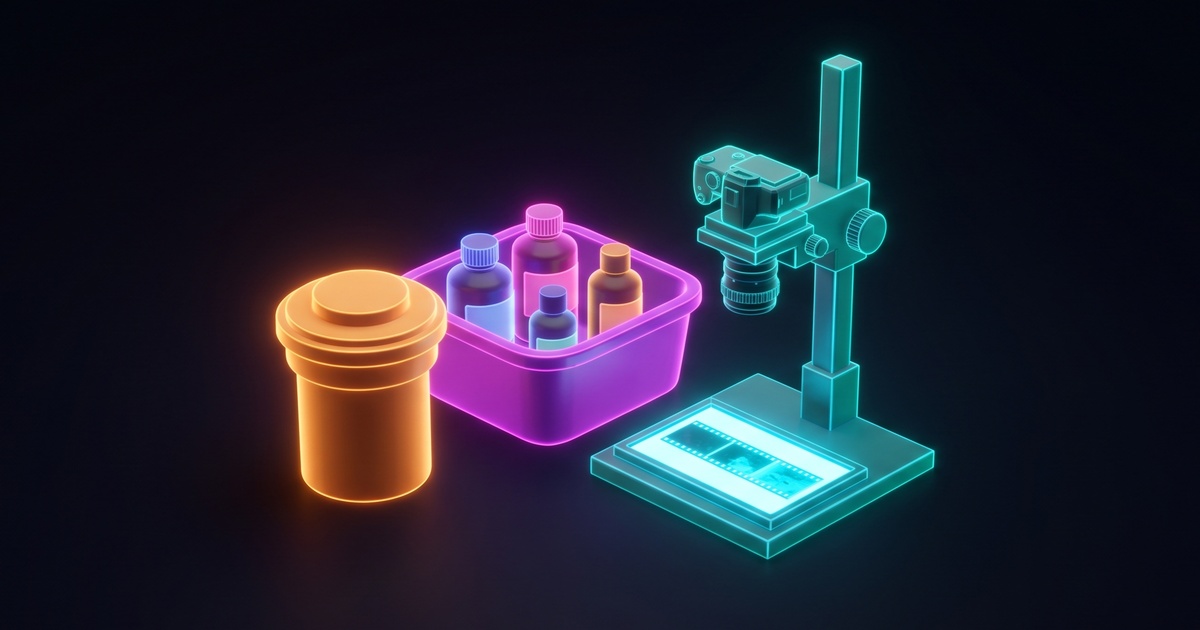
Just looking for the shopping list? Skip to the short version. Or open the table of contents above to jump to a section. I shot film as a kid, and I left it behind quickly once digital gave us “infinite photos.” I loved every step of that ride, the cameras picking up more quality and sensitivity and dynamic range every year, and I loved it well into the smartphone era. Really, I still do. But somewhere in there I lost my excitement for taking pictures. Was it too easy? Was it too good? I don’t know. Finding film again relit my love of photography. Maybe it’s the constraints. Maybe it’s the work and time and the hands-on process that sits between pressing the shutter and finally looking at the photo. ...
Heads up before you start: This is the updated successor to my original PAI setup guide from the PAI 3/4 days, rewritten for PAI 5. It installs PAI v5.0.0, pinned, and that’s on purpose. It’s the exact version I run every day and have stood up on multiple machines over months of real use. Since I wrote this, the project got renamed to LifeOS and is already at v7. I haven’t made the leap yet, but I’m excited to, and when I do you’ll get a tested upgrade guide. Until then, this will get you running with the setup I’m very fond of and using today. ...
I very much love the massive mind melt of new information that I get when I attend great tech conferences. But I’ve never been super good at keeping notes thorough enough to remember everything I want to, or follow up on all the new tech and links I had aspirations to while sitting in the rooms. The talks I really liked? I remember them well enough to tell someone about them over coffee, but the specific details, the links the speaker mentioned, the names of tools that came up in Q&A, those are usually gone by the time I get home. I end up with a few half-sentences scratched into my phone’s Notes app and a vague impression of “yeah, good stuff.” ...
I’ve been trying to figure out a good way to share how I’ve built some of my projects. People ask about them, and I usually end up walking through the same explanation a few different times in different conversations. Sometimes I’ll share a repo, but that’s often either too much or not enough. The code is there, but the context around it isn’t. Why I chose one approach over another, what I tried first, the tradeoffs I made along the way. ...
I used Obsidian for years and loved it. Still do. It’s a great app, and if you’re using it, I’m not here to talk you out of it. But something shifted for me over the past few months as I started doing more and more of my work through my AI assistant. I found myself spending less time in Obsidian’s UI and more time just working with documents directly through Claude Code. The notes were still there, but I was reaching for them less because I was already in the terminal. ...
Just want the upgrade command? Skip to Run the Upgrade. A quick note before we get into it: this is not the official PAI upgrade path. Daniel Miessler’s recommended approach is to clone the latest release fresh, back up your ~/.claude/ directory, overwrite it with the new version, and then bring your customizations back in. That works. I’ve done it. ...

Earlier this year, MacUpdater shut down after eight years. If you’re not familiar, it was a Mac utility that helped you track, manage, and install updates across all of your applications. It maintained a database of over 150,000 apps, scanned your Mac against it, and kept you aware of what needed attention. The team behind it had been selling one-year licenses, and after struggling to find a sustainable business model, they decided not to continue. ...
One of the neat features built into PAI is voice feedback. Your assistant can talk to you. It announces what phase it’s in, tells you when something finishes, and lets you know when it needs your attention. The way PAI ships this out of the box is through a built-in voice server that uses ElevenLabs for text-to-speech. It sounds great. But it’s designed for a setup where PAI is running locally on your Mac, and that’s not how I run mine. ...